Key Takeaways
- The Nikon Z8 offers exceptional high ISO performance, crucial for capturing clear night sky images.
- Its autofocus can function in extreme darkness, detecting subjects in conditions as low as -7EV.
- Starlight Mode enhances low-light performance, making it easier to photograph stars and other celestial objects.
- Versatile lens compatibility allows for a wide range of astrophotography applications.
- Proper setup and the right accessories can significantly enhance the Nikon Z8’s capabilities for night sky photography.
Nikon Z8 Overview for Astrophotography Enthusiasts
Meet the Nikon Z8
The Nikon Z8 is a powerhouse mirrorless camera that has quickly become a favorite among professional and amateur photographers alike. Launched in May 2023, this camera boasts a full-frame 45.7MP sensor, making it ideal for capturing high-resolution images. It’s 30% smaller than its predecessor, the Nikon Z9, but retains many of the features that made the Z9 a standout.
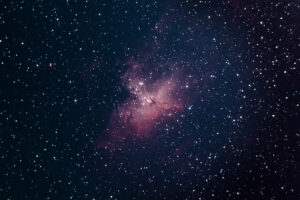
One of the most exciting aspects of the Nikon Z8 is its suitability for astrophotography. Whether you’re a seasoned photographer or a beginner, this camera offers features that make capturing the night sky easier and more rewarding.
Why the Nikon Z8 is Ideal for Astrophotography
Astrophotography requires a camera that can handle low-light conditions, and the Nikon Z8 excels in this area. Its high ISO range (64-25,600, expandable to 102,400) allows you to capture the faintest stars without introducing too much noise. Besides that, the camera’s autofocus system is designed to work in extremely dark conditions, with an autofocus detection range dropping to as low as -7EV.
Moreover, the Nikon Z8’s Starlight Mode is a game-changer for night sky photography. This mode enhances the camera’s sensitivity to light, making it easier to photograph stars, galaxies, and other celestial objects. Coupled with its versatile lens compatibility, the Nikon Z8 offers everything you need to capture stunning astrophotography images.
Top Features of the Nikon Z8 for Astrophotography
High ISO Performance
One of the most critical factors in astrophotography is the camera’s ability to perform well at high ISO settings. The Nikon Z8 shines in this department. Its ISO range of 64-25,600, expandable to 102,400, allows you to capture clear, detailed images of the night sky without excessive noise.
High ISO performance is crucial when photographing faint stars or distant galaxies. The Nikon Z8’s sensor is designed to minimize noise even at high ISO settings, ensuring that your images remain sharp and clear. This capability makes it easier to capture the intricate details of celestial objects, from the craters on the moon to the rings of Saturn. For more details, check out this Nikon Z8 review.
Starlight Mode for Low Light
Starlight Mode is a feature that sets the Nikon Z8 apart from many other cameras. This mode enhances the camera’s sensitivity to light, making it easier to capture images in extremely low-light conditions. When activated, Starlight Mode boosts the camera’s ISO and adjusts other settings to optimize low-light performance.
For astrophotographers, Starlight Mode is invaluable. It allows you to photograph stars, galaxies, and other celestial objects without needing additional lighting equipment. This mode is particularly useful for capturing long-exposure shots, where the camera needs to gather light over an extended period to produce a clear image.
Autofocus in Extreme Darkness
Autofocus can be a challenge in low-light conditions, but the Nikon Z8’s autofocus system is designed to excel in these situations. With an autofocus detection range that drops to as low as -7EV, the camera can lock onto subjects even in near-total darkness. This feature is particularly useful when photographing the night sky, where precise focusing is essential.
The Nikon Z8’s EyeAF (Eye Autofocus) is another standout feature. It can detect and focus on subjects’ eyes, ensuring that your images are sharp and well-defined. This capability is beneficial for capturing portraits against a backdrop of stars or other celestial objects.
Versatile Lens Compatibility
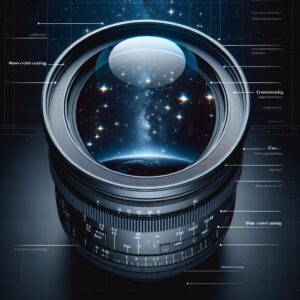
The Nikon Z8 is compatible with a wide range of lenses, making it a versatile choice for astrophotography. Whether you’re using a wide-angle lens to capture expansive views of the night sky or a telephoto lens to zoom in on specific celestial objects, the Nikon Z8 can accommodate your needs. For more tips and tricks, check out our guide on the Nikon D5600 DSLR camera for astrophotography.
For those just starting in astrophotography, a good all-around lens is the NIKKOR Z 24-70mm f/2.8 S. This lens offers a versatile zoom range and excellent low-light performance, making it ideal for capturing a variety of night sky images. For more advanced photographers, the NIKKOR Z 14-24mm f/2.8 S is an excellent choice for wide-angle shots, while the NIKKOR Z 70-200mm f/2.8 VR S is perfect for capturing detailed images of specific celestial objects.
Autofocus in Extreme Darkness
Autofocus can be a challenge in low-light conditions, but the Nikon Z8’s autofocus system is designed to excel in these situations. With an autofocus detection range that drops to as low as -7EV, the camera can lock onto subjects even in near-total darkness. This feature is particularly useful when photographing the night sky, where precise focusing is essential.
The Nikon Z8’s EyeAF (Eye Autofocus) is another standout feature. It can detect and focus on subjects’ eyes, ensuring that your images are sharp and well-defined. This capability is beneficial for capturing portraits against a backdrop of stars or other celestial objects.
Versatile Lens Compatibility
The Nikon Z8 is compatible with a wide range of lenses, making it a versatile choice for astrophotography. Whether you’re using a wide-angle lens to capture expansive views of the night sky or a telephoto lens to zoom in on specific celestial objects, the Nikon Z8 can accommodate your needs.
For those just starting in astrophotography, a good all-around lens is the NIKKOR Z 24-70mm f/2.8 S. This lens offers a versatile zoom range and excellent low-light performance, making it ideal for capturing a variety of night sky images. For more advanced photographers, the NIKKOR Z 14-24mm f/2.8 S is an excellent choice for wide-angle shots, while the NIKKOR Z 70-200mm f/2.8 VR S is perfect for capturing detailed images of specific celestial objects.
How to Maximize the Nikon Z8’s Capabilities
To get the most out of your Nikon Z8 for astrophotography, it’s essential to understand how to set up and use the camera effectively. Here are some tips and tricks to help you capture stunning night sky images.
Setting Up Your Nikon Z8 for Night Photography
Proper setup is crucial for successful astrophotography. Here are some steps to get your Nikon Z8 ready for a night of shooting:
- Use a sturdy tripod: A stable tripod is essential for long-exposure shots, as it helps eliminate camera shake and ensures sharp images.
- Enable Starlight Mode: Activate Starlight Mode to enhance the camera’s sensitivity to light, making it easier to capture faint celestial objects.
- Set a high ISO: Start with an ISO setting of around 3200 and adjust as needed to balance exposure and noise levels.
- Use manual focus: Switch to manual focus and use the camera’s focus peaking feature to ensure precise focusing on stars or other celestial objects.
- Adjust exposure settings: Set a wide aperture (f/2.8 or lower) and a long exposure time (15-30 seconds) to capture enough light for detailed images.
Using Night Vision Mode
Night Vision Mode is another useful feature of the Nikon Z8 that can help you capture stunning astrophotography images. This mode enhances the camera’s sensitivity to low light, making it easier to see and focus on celestial objects. Here’s how to use it effectively:
- Activate Night Vision Mode: Access the camera’s menu and enable Night Vision Mode to boost low-light performance.
- Adjust brightness settings: Increase the brightness of the camera’s LCD screen to make it easier to see and compose your shots in the dark.
- Use a red filter: Attach a red filter to your camera’s LCD screen to preserve your night vision while shooting.
Choosing the Right Lens
Selecting the right lens for astrophotography is essential for capturing stunning night sky images. Here are some recommendations based on your needs and experience level:
- Wide-angle lenses: Ideal for capturing expansive views of the night sky, wide-angle lenses like the NIKKOR Z 14-24mm f/2.8 S offer excellent low-light performance and a broad field of view.
- Standard zoom lenses: Versatile and easy to use, standard zoom lenses like the NIKKOR Z 24-70mm f/2.8 S are perfect for beginners and offer a good balance of performance and flexibility.
- Telephoto lenses: For more advanced photographers, telephoto lenses like the NIKKOR Z 70-200mm f/2.8 VR S allow you to zoom in on specific celestial objects and capture detailed images.
Post-Processing Images
Post-processing is an essential step in astrophotography, as it helps bring out the details and colors in your images. Here are some tips for post-processing your Nikon Z8 astrophotography images:
- Use dedicated software: Software like Adobe Lightroom and Photoshop offers powerful tools for adjusting exposure, contrast, and color balance.
- Stack multiple images: Combine multiple exposures of the same scene to reduce noise and enhance detail using stacking software like DeepSkyStacker.
- Adjust white balance: Correct the white balance to ensure accurate colors and remove any unwanted color casts from your images.
- Enhance details: Use sharpening and noise reduction tools to bring out the finer details in your images while minimizing noise.
Comparing Nikon Z8 to Other Astrophotography Cameras
The Nikon Z8 is a top contender in the world of astrophotography, but how does it compare to other popular cameras? Let’s take a look at how the Nikon Z8 stacks up against the Canon EOS R5, Sony A7R IV, and Nikon Z7 II.
Nikon Z8 vs. Canon EOS R5
The Canon EOS R5 is another excellent camera for astrophotography, but there are some key differences between the two. The Nikon Z8 offers a higher ISO range and better low-light performance, making it more suitable for capturing faint stars and other celestial objects. Additionally, the Nikon Z8’s Starlight Mode and superior autofocus capabilities give it an edge over the Canon EOS R5 in low-light conditions.
However, the Canon EOS R5 has its strengths, such as a higher resolution sensor (45MP compared to the Nikon Z8’s 45.7MP) and better video capabilities. Ultimately, the choice between the two will depend on your specific needs and preferences.
Nikon Z8 vs. Sony A7R IV
The Sony A7R IV is another popular choice for astrophotography, thanks to its high-resolution sensor (61MP) and excellent low-light performance. While the Sony A7R IV offers a higher resolution than the Nikon Z8, the Nikon Z8’s superior autofocus system and Starlight Mode make it a better choice for capturing detailed night sky images.
Additionally, the Nikon Z8’s versatile lens compatibility and robust build quality make it a more reliable option for astrophotographers who need a durable and versatile camera.
Nikon Z8 vs. Nikon Z7 II
The Nikon Z7 II is another excellent camera for astrophotography, but the Nikon Z8 offers several key advantages. The Nikon Z8’s higher ISO range and better low-light performance make it more suitable for capturing faint celestial objects. Additionally, the Nikon Z8’s Starlight Mode and superior autofocus capabilities give it an edge over the Nikon Z7 II in low-light conditions.
While the Nikon Z7 II is a more affordable option, the Nikon Z8’s advanced features and capabilities make it a better choice for serious astrophotographers who want the best possible performance. For those interested in other models, consider the Nikon D7500 for astrophotography.
Recommended Accessories for the Nikon Z8
To get the most out of your Nikon Z8 for astrophotography, it’s essential to have the right accessories. Here are some recommendations to help you capture stunning night sky images.
Best Lenses for Astrophotography
Choosing the right lens is crucial for capturing high-quality astrophotography images. Here are some of the best lenses for the Nikon Z8:
- NIKKOR Z 14-24mm f/2.8 S: This wide-angle lens offers excellent low-light performance and a broad field of view, making it ideal for capturing expansive views of the night sky.
- NIKKOR Z 24-70mm f/2.8 S: A versatile and easy-to-use lens, the NIKKOR Z 24-70mm f/2.8 S is perfect for beginners and offers a good balance of performance and flexibility.
- NIKKOR Z 70-200mm f/2.8 VR S: For more advanced photographers, this telephoto lens allows you to zoom in on specific celestial objects and capture detailed images.
Essential Tripods and Mounts
Using a sturdy tripod is essential for astrophotography. A good tripod eliminates camera shake and ensures sharp images, especially during long exposures. Look for tripods made of carbon fiber or aluminum for durability and stability.
Besides that, consider using a mount that allows for smooth movement and precise adjustments. Equatorial mounts are particularly useful for tracking celestial objects as they move across the sky. These mounts can help you capture longer exposures without star trails.
- Manfrotto MT055CXPRO4 Carbon Fiber Tripod: Lightweight yet sturdy, this tripod is perfect for long nights of shooting.
- Orion Sirius EQ-G Computerized GoTo Telescope Mount: This mount offers precise tracking and is ideal for deep-sky astrophotography.
- Sky-Watcher Star Adventurer Pro Pack: A portable and easy-to-use mount that is great for both beginners and advanced users.
Investing in a high-quality tripod and mount will significantly improve your astrophotography experience, allowing you to capture clear and detailed images of the night sky.
External Shutters and Timers
External shutters and timers are crucial for astrophotography. They help you take long exposures without touching the camera, reducing the risk of camera shake. Remote shutters and intervalometers are excellent tools for this purpose.
Using an intervalometer, you can set up your Nikon Z8 to take a series of exposures automatically. This feature is particularly useful for time-lapse photography or capturing multiple shots for stacking.
Data Storage Solutions
Astrophotography involves capturing large, high-resolution images, which can quickly fill up your camera’s memory card. Therefore, having adequate data storage solutions is essential. High-speed memory cards and external storage devices are recommended.
Consider using memory cards with fast read and write speeds to ensure smooth operation and quick image transfers. Additionally, external hard drives or cloud storage solutions can help you back up your images and free up space on your memory cards.
Here are some recommended data storage solutions:
- SanDisk Extreme PRO SDXC UHS-I Card: Offers fast read and write speeds, making it ideal for high-resolution astrophotography.
- WD My Passport Portable External Hard Drive: A reliable and portable storage solution for backing up your images.
- Google Drive or Dropbox: Cloud storage options that provide easy access and sharing of your astrophotography images.
Conclusion
The Nikon Z8 is a remarkable camera for astrophotography, offering a range of features that make capturing the night sky easier and more rewarding. Its high ISO performance, Starlight Mode, and versatile lens compatibility make it an excellent choice for both beginners and experienced photographers.
Final Thoughts on the Nikon Z8 Astrophotography Camera
With the right setup and accessories, the Nikon Z8 can help you capture stunning images of the night sky. Whether you’re photographing stars, galaxies, or other celestial objects, this camera offers the performance and flexibility you need to succeed.
By following the tips and recommendations in this article, you can maximize the Nikon Z8’s capabilities and take your astrophotography to the next level. So, grab your camera, head out into the night, and start capturing the beauty of the cosmos.
Frequently Asked Questions (FAQ)
What Makes the Nikon Z8 Good for Astrophotography?
The Nikon Z8 is well-suited for astrophotography due to its high ISO performance, Starlight Mode, and excellent autofocus capabilities in low-light conditions. These features make it easier to capture clear, detailed images of the night sky.
How Does Starlight Mode Work?
- Starlight Mode enhances the camera’s sensitivity to light, making it easier to photograph faint celestial objects.
- When activated, it boosts the camera’s ISO and adjusts other settings to optimize low-light performance.
- This mode is particularly useful for capturing long-exposure shots of the night sky.
Starlight Mode is a game-changer for astrophotographers, allowing you to capture stunning images without needing additional lighting equipment. For more tips, check out these astrophotography tips.
To activate Starlight Mode, access the camera’s menu and enable the feature. You can then adjust the brightness settings and use a red filter to preserve your night vision while shooting.
What Lenses are Compatible with the Nikon Z8?
The Nikon Z8 is compatible with a wide range of lenses, making it a versatile choice for astrophotography. Here are some recommended lenses:
- NIKKOR Z 14-24mm f/2.8 S: Ideal for wide-angle shots of the night sky.
- NIKKOR Z 24-70mm f/2.8 S: A versatile lens suitable for various astrophotography applications.
- NIKKOR Z 70-200mm f/2.8 VR S: Perfect for capturing detailed images of specific celestial objects.
“The Nikon Z8’s compatibility with a wide range of lenses makes it an excellent choice for astrophotographers of all levels.” – Jase Parnell-Brookes