Article-at-a-Glance
- The Nikon D7500 excels in astrophotography due to its impressive low-light performance and high ISO range.
- Key features include a 20.9-megapixel APS-C sensor, 51 autofocus points, and 8 frames per second burst mode.
- The camera’s noise reduction capabilities and 4K UHD video resolution are ideal for capturing the night sky.
- Essential gear for astrophotography with the D7500 includes specialized lenses and sturdy tripods.
- Proper camera settings and post-processing techniques can significantly enhance your astrophotography results.
Nikon D7500 DSLR Camera for Astrophotography
Astrophotography is a fascinating field that allows you to capture the beauty of the night sky. The Nikon D7500 DSLR camera stands out as an excellent choice for this genre, thanks to its advanced features and robust performance. Whether you’re a beginner or an enthusiast, this camera can help you take stunning photos of stars, the moon, and even distant galaxies.
Why the Nikon D7500 Excels in Astrophotography
Several factors make the Nikon D7500 an ideal camera for astrophotography:
- Impressive low-light performance
- High ISO range
- Advanced noise reduction capabilities
- 4K UHD video resolution
- Time-lapse functionality
Most importantly, the D7500 combines these features in a user-friendly package, making it accessible for photographers of all skill levels.
Key Features of the Nikon D7500
Let’s dive into the key features that make the Nikon D7500 a powerful tool for capturing the night sky. For those interested in more detailed techniques, check out these astrophotography tips and techniques.
20.9 Megapixel APS-C Sensor
The Nikon D7500 is equipped with a 20.9-megapixel APS-C sensor. This sensor size strikes a balance between capturing high-resolution images and maintaining a manageable file size. Besides that, the APS-C sensor is known for its excellent performance in low-light conditions, which is crucial for astrophotography.
The sensor’s ability to gather light efficiently allows you to capture detailed images of stars and other celestial objects. For example, when photographing the Milky Way, the D7500’s sensor will ensure that the intricate details of the galaxy are clearly visible.
ISO Range and Low-Light Performance
One of the standout features of the Nikon D7500 is its extensive ISO range. The camera offers a standard ISO range of 100 to 51200, which can be expanded up to ISO 1,640,000. This wide range allows you to shoot in extremely low-light conditions without compromising image quality.
When photographing the night sky, you often need to use higher ISO settings to capture faint stars and other celestial objects. The D7500’s impressive ISO performance ensures that your images remain sharp and free from excessive noise, even at higher ISO levels.
51 Autofocus Points
The Nikon D7500 features 51 autofocus points, providing excellent coverage and accuracy when focusing on celestial objects. This is particularly useful when you’re trying to capture fast-moving objects like meteors or the International Space Station.
Additionally, the autofocus system is highly responsive, allowing you to quickly lock onto your subject and capture sharp images. This is especially important in astrophotography, where precise focusing can make a significant difference in the quality of your photos.
8 Frames Per Second Burst Mode
The D7500’s 8 frames per second burst mode is another valuable feature for astrophotography. This high-speed shooting capability allows you to capture multiple frames in quick succession, increasing your chances of getting the perfect shot.
For instance, when photographing a meteor shower, the burst mode enables you to capture a series of images in rapid succession, ensuring that you don’t miss any fleeting moments. For more information, check out this Nikon D7500 camera review.
4K UHD Video Resolution
The Nikon D7500 offers 4K UHD video resolution, which is a significant advantage for astrophotographers. This high-resolution capability allows you to capture stunning time-lapse videos of the night sky. The detailed footage can reveal the movement of stars, the rotation of the Earth, and even meteor showers in a way that standard HD video cannot match.
When shooting in 4K UHD, the D7500 records at a resolution of 3840 x 2160 pixels. This level of detail ensures that even the smallest stars and celestial objects are clearly visible in your videos. Additionally, the camera’s ability to shoot at 30 frames per second in 4K ensures smooth and fluid motion, which is essential for creating captivating time-lapse sequences.
To make the most of this feature, use a sturdy tripod and an intervalometer to capture consistent and stable frames over an extended period. This setup will help you create mesmerizing time-lapse videos that showcase the beauty of the night sky. For more tips, check out this star trails photography guide.
Optical Viewfinder vs. Electronic Viewfinder
The Nikon D7500 is equipped with an optical viewfinder, which offers several advantages over electronic viewfinders (EVFs) for astrophotography. One of the main benefits is the lack of lag or delay when composing your shots. This real-time view allows you to quickly and accurately frame your images, which is crucial when capturing fast-moving celestial events like meteor showers or the International Space Station. For more tips, check out this astrophotography guide.
Another advantage of the optical viewfinder is its ability to function without draining the camera’s battery. This is particularly important for long astrophotography sessions, where preserving battery life is essential. Besides that, the optical viewfinder provides a clear and natural view of the night sky, which can be more comfortable for your eyes during extended shooting sessions.
Recommended Gear and Accessories
To get the best results from your Nikon D7500 in astrophotography, you’ll need some additional gear and accessories. These items will help you capture sharper images, reduce camera shake, and enhance your overall shooting experience. For more tips, check out this guide on astrophotography tips.
Best Lenses for Astrophotography
The right lens can make a significant difference in your astrophotography. For the Nikon D7500, I recommend the following lenses:
- Nikon AF-S DX NIKKOR 10-24mm f/3.5-4.5G ED: This wide-angle lens is perfect for capturing expansive views of the night sky, including the Milky Way and star fields.
- Nikon AF-S NIKKOR 14-24mm f/2.8G ED: Known for its excellent sharpness and low-light performance, this lens is ideal for astrophotography.
- Rokinon 14mm f/2.8 IF ED UMC: A budget-friendly option that offers great performance for capturing wide-angle shots of the night sky.
Essential Tripod and Mounts
A sturdy tripod is essential for astrophotography, as it helps eliminate camera shake and ensures stable shots. Here are some recommended tripods and mounts:
- Manfrotto MT055XPRO3 Aluminum Tripod: This tripod is known for its stability and versatility, making it an excellent choice for astrophotography.
- Benro Mach3 TMA37C Carbon Fiber Tripod: Lightweight yet sturdy, this carbon fiber tripod is perfect for long shooting sessions.
- Sky-Watcher Star Adventurer Pro Pack: This mount allows for precise tracking of celestial objects, making it easier to capture sharp images of stars and galaxies.
Besides these, consider investing in an intervalometer, which will help you take consistent shots over extended periods without manually triggering the camera.
Sample Astrophotography Shots
Seeing examples of what the Nikon D7500 can achieve in astrophotography can be incredibly inspiring. Here are some sample shots to give you an idea of the camera’s capabilities.
Full Moon Captures
“Using the Nikon D7500, I captured this stunning image of the full moon. The camera’s high resolution and excellent low-light performance allowed me to capture intricate details on the moon’s surface, including craters and lunar maria.” – Jason Parnell-Brookes
The D7500’s high-resolution sensor and excellent ISO performance make it an ideal choice for capturing detailed images of the moon. Use a telephoto lens, such as the Nikon AF-S NIKKOR 70-200mm f/2.8E FL ED VR, to get close-up shots that reveal the moon’s surface features.
Starfield Photography
Capturing star fields can be incredibly rewarding, and the Nikon D7500 excels in this area. Its high ISO range and noise reduction capabilities ensure that your images are sharp and free from excessive noise.
When photographing star fields, use a wide-angle lens and set your camera to a high ISO setting, such as ISO 3200 or 6400. Use a long exposure time, typically between 15 and 30 seconds, to capture as much light as possible. A sturdy tripod is essential to keep your camera steady during the long exposure. For more detailed techniques, check out this guide on astrophotography tips.
Galaxy and Nebula Imaging
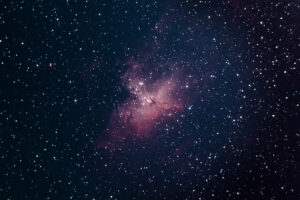
Photographing galaxies and nebulae can be challenging, but the Nikon D7500’s advanced features make it easier. Use a telephoto lens and a tracking mount, such as the Sky-Watcher Star Adventurer Pro Pack, to capture sharp images of these distant objects.
Set your camera to a high ISO setting and use a long exposure time to gather as much light as possible. Post-processing techniques, such as stacking multiple images, can help enhance the details and reduce noise in your final images.
Tips for Maximizing Your Nikon D7500
To get the most out of your Nikon D7500 for astrophotography, follow these tips and techniques.
Ideal Camera Settings
Choosing the right camera settings is crucial for successful astrophotography. Here are some recommended settings for the Nikon D7500:
- ISO: Start with an ISO setting of 3200 or 6400. Adjust as needed based on the lighting conditions and your desired level of detail.
- Aperture: Use a wide aperture (low f-number) to gather as much light as possible. An aperture of f/2.8 or wider is ideal.
- Shutter Speed: Use a long exposure time, typically between 15 and 30 seconds. Be mindful of the Earth’s rotation, which can cause star trails in longer exposures.
- Focus: Set your lens to manual focus and focus on a bright star or distant light source. Use live view and magnify the image to ensure precise focus.
These settings will help you capture sharp, detailed images of the night sky with minimal noise.
Post-Processing Tips
Post-processing is a crucial step in astrophotography. It allows you to enhance the details and colors in your images, bringing out the beauty of the night sky. Here are some tips for post-processing your astrophotography shots:
- Stacking: Combine multiple exposures to reduce noise and enhance details. Software like DeepSkyStacker can help you stack images effectively.
- Noise Reduction: Use noise reduction tools in software like Adobe Lightroom or Photoshop to minimize noise without losing details.
- Contrast and Brightness: Adjust the contrast and brightness to bring out the stars and other celestial objects. Be careful not to overdo it, as this can result in unnatural-looking images.
- Color Correction: Use color correction tools to balance the colors in your images. This can help bring out the natural hues of stars and nebulae.
- Sharpening: Apply sharpening selectively to enhance details without introducing artifacts. Use tools like the Unsharp Mask or High Pass filter in Photoshop.
Conclusion
The Nikon D7500 is an excellent choice for astrophotography, offering a range of features that make it easy to capture stunning images of the night sky. Its impressive low-light performance, high ISO range, and advanced noise reduction capabilities ensure that your photos are sharp and detailed, even in challenging conditions.
With the right gear and techniques, you can maximize the potential of the D7500 and take your astrophotography to the next level. From capturing star fields and galaxies to creating mesmerizing time-lapse videos, this camera has everything you need to explore the wonders of the night sky. For more tips, check out this guide on astrophotography techniques.
Whether you’re a beginner or an experienced astrophotographer, the Nikon D7500 is a powerful tool that can help you achieve your creative vision. So, grab your camera, head out under the stars, and start capturing the beauty of the cosmos.
Final Thoughts on the Nikon D7500
The Nikon D7500 combines advanced features with user-friendly design, making it an ideal choice for astrophotography. Its high-resolution sensor, extensive ISO range, and excellent low-light performance ensure that you can capture stunning images of the night sky with ease. With the right lenses and accessories, you can further enhance your astrophotography experience and create breathtaking photos that showcase the beauty of the cosmos.
Frequently Asked Questions (FAQ)
Is the Nikon D7500 suitable for beginners?
Yes, the Nikon D7500 is suitable for beginners. Its user-friendly interface and advanced features make it easy to learn and grow as an astrophotographer. The camera’s robust performance and versatility ensure that you can achieve excellent results, even if you’re just starting out. For more tips and tricks, check out our guide on the Nikon D5600 for astrophotography.
What are the best lenses for the Nikon D7500 in astrophotography?
Some of the best lenses for the Nikon D7500 in astrophotography include the Nikon AF-S DX NIKKOR 10-24mm f/3.5-4.5G ED, Nikon AF-S NIKKOR 14-24mm f/2.8G ED, and the Rokinon 14mm f/2.8 IF ED UMC. These lenses offer excellent sharpness, wide apertures, and great low-light performance, making them ideal for capturing the night sky.
How does the D7500 compare to other Nikon cameras for astrophotography?
The Nikon D7500 offers many of the advanced features found in higher-end models like the Nikon D500 but at a more affordable price. Its 20.9-megapixel APS-C sensor, high ISO range, and excellent low-light performance make it a strong contender for astrophotography. While full-frame models like the Nikon D850 may offer even better performance, the D7500 provides a great balance of features and value.
Can the Nikon D7500 capture time-lapse videos of the night sky?
Yes, the Nikon D7500 can capture time-lapse videos of the night sky. Its 4K UHD video resolution and time-lapse functionality make it easy to create stunning time-lapse sequences that showcase the movement of stars, the rotation of the Earth, and other celestial events. Use a sturdy tripod and an intervalometer to ensure consistent and stable frames over extended periods.
With these tips and techniques, you’re well on your way to capturing the beauty of the night sky with your Nikon D7500. Happy shooting!
The Nikon D7500 DSLR Camera is a great choice for astrophotography enthusiasts. It offers excellent image quality, a wide ISO range, and advanced features that make capturing stunning night sky images easier. With its robust build and versatile performance, the Nikon D7500 stands out as a reliable option for both amateur and professional photographers.