Key Takeaways
- Constellations offer stunning and accessible subjects for night sky photography.
- Choosing the right gear, including cameras, lenses, and tripods, is crucial for capturing clear images.
- Long exposure techniques and proper camera settings can dramatically improve image quality.
- Finding dark sky locations and planning around weather conditions are essential steps.
- Post-processing can enhance details and reduce noise, making your photos even more impressive.
Best Constellations Astrophotography Tips & Techniques
Why Constellations Are Worth Photographing
Photographing constellations is a magical experience. The night sky, dotted with stars and celestial formations, has fascinated humans for centuries. Capturing these constellations on camera allows us to preserve this beauty and share it with others. Plus, it’s a great way to learn more about astronomy and the universe.
Constellations are also relatively easy to find. Unlike deep-sky objects that require advanced equipment and techniques, constellations can be seen with the naked eye. This makes them an excellent starting point for anyone new to astrophotography.
Choosing the Right Gear for Astrophotography
Having the right gear is crucial for successful constellation photography. While it’s possible to capture decent images with basic equipment, investing in quality gear will significantly enhance your results. Let’s break down the essentials.
Cameras Best Suited for Night Sky Imaging
The camera you choose can make or break your astrophotography experience. Ideally, you’ll want a camera with a high ISO range and low noise performance. Here are some top choices:
- DSLR Cameras: These are popular for their versatility and image quality. Models like the Canon EOS 5D Mark IV and Nikon D850 are excellent choices.
- Mirrorless Cameras: Known for their compact size and advanced features, cameras like the Sony A7 III and Fujifilm X-T4 are great options.
- Dedicated Astrophotography Cameras: These specialized cameras, such as the ZWO ASI1600MM, offer superior sensitivity and image quality.
Lenses for Constellation Photography
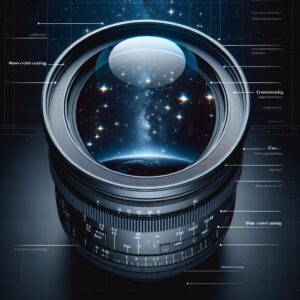
Choosing the right lens is just as important as selecting the right camera. Wide-angle lenses are particularly well-suited for capturing constellations because they allow you to capture more of the sky in a single shot.
- Wide-Angle Lenses: Lenses with focal lengths between 14mm and 24mm are ideal. Examples include the Rokinon 14mm f/2.8 and the Sigma 14-24mm f/2.8.
- Fast Aperture Lenses: Lenses with wide apertures (f/2.8 or lower) allow more light to reach the sensor, which is crucial for night photography. The Canon EF 24mm f/1.4L II is a great example.
Tripods and Mounts: Stability is Key
Stability is crucial when photographing the night sky. Even the slightest movement can blur your image. That’s why a sturdy tripod is an essential piece of equipment.
Look for tripods made of strong materials like carbon fiber. They should also have a high load capacity to support your camera and lens. Brands like Manfrotto and Gitzo offer reliable options.
Use of Star Trackers for Better Images
Star trackers are devices that compensate for the Earth’s rotation, allowing you to take longer exposures without star trails. This can significantly improve the quality of your images by capturing more detail and reducing noise.
Popular star trackers include the Sky-Watcher Star Adventurer and the iOptron SkyGuider Pro. These devices are relatively easy to set up and can make a noticeable difference in your astrophotography.
Techniques for Capturing Stunning Constellations
Once you have the right gear, the next step is mastering the techniques for capturing stunning constellation photos. This involves understanding camera settings, composition, and exposure times.
Basic Camera Settings
Setting your camera correctly is crucial for capturing clear and detailed images of constellations. Here are some basic settings to get you started:
- ISO: Start with an ISO setting between 1600 and 3200. This will help you capture more light without introducing too much noise.
- Aperture: Use the widest aperture your lens allows (e.g., f/2.8 or lower). This lets in the most light.
- Shutter Speed: Start with an exposure time of 20-30 seconds. If you’re using a star tracker, you can extend this to several minutes.
- Focus: Set your lens to manual focus and adjust until the stars appear sharp. Using live view and zooming in on a bright star can help.
Long Exposure Techniques
Long exposure is a technique that allows you to capture more light over an extended period. This is particularly useful in astrophotography, where light is often scarce. By keeping the camera’s shutter open for a longer duration, you can capture faint stars and details that are otherwise invisible to the naked eye.
When using long exposure, you need to be mindful of star trails, which occur due to the Earth’s rotation. While star trails can be an artistic choice, they are not ideal for capturing constellations clearly. To avoid this, use the “500 Rule”: divide 500 by the focal length of your lens to get the maximum exposure time in seconds before star trails become noticeable. For example, with a 20mm lens, you can use an exposure time of up to 25 seconds (500/20=25).
Reducing Noise
Noise can be a significant issue in astrophotography, especially when using high ISO settings and long exposure times. Noise appears as grainy specks in your image and can detract from the overall quality. Here are some tips to reduce noise:
- Use a Lower ISO: While higher ISO settings capture more light, they also introduce more noise. Try to find a balance between light sensitivity and noise.
- Take Multiple Exposures: Instead of a single long exposure, take several shorter exposures and stack them in post-processing. This technique, known as stacking, can significantly reduce noise.
- Use Noise Reduction Software: Programs like Adobe Lightroom and Topaz DeNoise AI can help reduce noise during post-processing.
Finding the Best Locations
Location is crucial in astrophotography. The darker the sky, the better your images will be. Light pollution from city lights can wash out the stars and make it challenging to capture constellations. Here are some tips for finding the best locations:
- Research Dark Sky Parks: Many regions have designated dark sky parks that are protected from light pollution. These are ideal locations for astrophotography.
- Use Light Pollution Maps: Websites and apps like Dark Site Finder and Light Pollution Map can help you locate dark areas near you.
- Get Away from the City: Even a short drive away from city lights can make a significant difference. Aim for rural areas with minimal artificial light.
Escape Light Pollution
Light pollution is the unwanted or excessive artificial light that brightens the night sky. It can significantly impact your ability to capture clear images of constellations. Here are some strategies to escape light pollution:
- Travel to Remote Locations: The farther you are from urban areas, the less light pollution you’ll encounter.
- Plan Your Shoot During New Moon: The absence of moonlight can make the night sky darker and more conducive to astrophotography.
- Use Light Pollution Filters: These filters can help reduce the impact of light pollution on your images.
Weather Conditions to Watch For
Weather plays a significant role in astrophotography. Clear skies are essential for capturing constellations, so it’s important to check the weather forecast before heading out. Here are some weather conditions to watch for:
- Clear Skies: The fewer clouds, the better. Even thin clouds can obstruct your view of the stars.
- Low Humidity: High humidity can cause haze, which reduces visibility and image clarity.
- Stable Atmospheric Conditions: Turbulent air can cause stars to appear blurry. Look for nights with stable atmospheric conditions.
Best Times of the Year to Capture Constellations
The time of year can affect which constellations are visible in the night sky. Different constellations are prominent during different seasons. Here’s a quick guide:
- Winter: Orion, Taurus, and Gemini are prominent in the winter sky.
- Spring: Look for Leo, Virgo, and Bootes during the spring months.
- Summer: The summer sky features constellations like Scorpius, Sagittarius, and Cygnus.
- Fall: In the fall, you can capture constellations like Pegasus, Andromeda, and Aquarius.
Using Apps to Plan Your Shoot
Several apps can help you plan your astrophotography sessions. These apps provide information on star positions, weather conditions, and light pollution levels. Here are some recommended apps:
- Stellarium: This app offers a realistic sky map, showing the positions of stars, planets, and constellations.
- PhotoPills: PhotoPills provides tools for planning your shoots, including a night AR feature to visualize the Milky Way and constellations.
- SkySafari: SkySafari is an astronomy app that provides detailed information on celestial objects and events.
Post-Processing Your Astrophotography Images
Post-processing is an essential step in astrophotography. It allows you to enhance details, reduce noise, and bring out the best in your images. Here are some tips for post-processing your constellation photos:
Software Recommendations
Choosing the right software can make post-processing easier and more effective. Here are some popular options:
- Adobe Lightroom: Lightroom offers powerful tools for adjusting exposure, contrast, and color balance.
- Adobe Photoshop: Photoshop is great for more advanced editing, including stacking and detailed adjustments.
- DeepSkyStacker: This free software is specifically designed for stacking astrophotography images to reduce noise and enhance detail.
Basic Editing Techniques
When editing your images, start with basic adjustments to improve the overall look. Here are some steps to follow:
- Adjust Exposure: Increase exposure to bring out faint stars, but be careful not to overexpose the brighter ones.
- Enhance Contrast: Boost contrast to make the stars stand out against the dark sky.
- Adjust White Balance: Set the white balance to match the natural color of the stars. A cooler tone often works well for night sky images.
Enhancing Details
After basic adjustments, you can focus on enhancing the finer details in your images. Here are some techniques:
- Sharpening: Use sharpening tools to make the stars appear crisper. Be cautious not to over-sharpen, as this can introduce artifacts.
- Reducing Noise: Apply noise reduction techniques to smooth out grainy areas without losing detail.
- Highlighting Constellations: Use selective adjustments to enhance the brightness and clarity of specific constellations.
Stacking Images for Better Clarity
Stacking multiple images can significantly improve the quality of your astrophotography. This technique involves combining several exposures to reduce noise and enhance detail. Here’s how to do it:
- Capture Multiple Exposures: Take several short exposures instead of a single long one. Aim for at least 10-20 images.
- Align and Stack: Use software like DeepSkyStacker to align and stack your images. This process averages out noise and enhances the signal from the stars.
- Post-Process the Stacked Image: After stacking, apply your usual post-processing techniques to the final image.
Inspiration: Astrophotography Communities and Resources
Joining astrophotography communities and accessing resources can provide valuable inspiration and support. Here are some ways to get involved:
Joining Online Forums
Online forums are great places to connect with other astrophotographers, share your work, and get feedback. Some popular forums include: avoiding common astrophotography mistakes.
- Cloudy Nights: A comprehensive forum for all things astronomy and astrophotography.
- AstroBin: A platform for sharing and discussing astrophotography images.
Attending Workshops and Field Trips
Workshops and field trips offer hands-on learning experiences and opportunities to network with other enthusiasts. Look for local astronomy clubs or organizations that host events.
Following Influential Astrophotographers on Social Media
Many skilled astrophotographers share their work and tips on social media platforms. Following them can provide inspiration and insights into advanced techniques. Some notable astrophotographers include:
- Trevor Jones (@astrobackyard): Known for his accessible tutorials and stunning images.
- Andrew McCarthy (@cosmic_background): Renowned for his detailed lunar and deep-sky images.
Recommended Books and Guides
Books and guides can offer in-depth knowledge and step-by-step instructions. Here are some recommended reads:
- “Astrophotography” by Thierry Legault: A comprehensive guide covering techniques and equipment.
- “The Astrophotography Manual” by Chris Woodhouse: Detailed instructions on capturing and processing night sky images.
Frequently Asked Questions (FAQ)
What is the best camera for constellation photography?
There are several great options for constellation photography, including DSLR cameras like the Canon EOS 5D Mark IV and Nikon D850, as well as mirrorless cameras like the Sony A7 III. These cameras offer high ISO ranges and low noise performance, making them ideal for night sky imaging.
How do I reduce noise in long exposure shots?
To reduce noise in long exposure shots, use a lower ISO setting, take multiple shorter exposures and stack them in post-processing, and use noise reduction software like Adobe Lightroom or Topaz DeNoise AI.
What are the best apps for planning astrophotography sessions?
Some of the best apps for planning astrophotography sessions include Stellarium, PhotoPills, and SkySafari. These apps provide information on star positions, weather conditions, and light pollution levels.
Can I photograph constellations with a smartphone?
Yes, you can photograph constellations with a smartphone, although the quality may not be as high as with a dedicated camera. Use a smartphone with a manual mode, a tripod, and a remote shutter or timer to minimize camera shake. Apps like NightCap Camera can also help you capture better night sky images.
How do I find dark sky locations near me?
To find dark sky locations near you, use websites and apps like Dark Site Finder and Light Pollution Map. Additionally, consider visiting designated dark sky parks or traveling to rural areas away from city lights.
Long exposure is a technique that allows you to capture more light over an extended period. This is particularly useful in astrophotography, where light is often scarce. By keeping the camera’s shutter open for a longer duration, you can capture faint stars and details that are otherwise invisible to the naked eye. For more information, check out this astrophotography guide.
When using long exposure, you need to be mindful of star trails, which occur due to the Earth’s rotation. While star trails can be an artistic choice, they are not ideal for capturing constellations clearly. To avoid this, use the “500 Rule”: divide 500 by the focal length of your lens to get the maximum exposure time in seconds before star trails become noticeable. For example, with a 20mm lens, you can use an exposure time of up to 25 seconds (500/20=25). For more detailed settings, check out our Canon EOS Rebel T7 guide.
Reducing Noise
Noise can be a significant issue in astrophotography, especially when using high ISO settings and long exposure times. Noise appears as grainy specks in your image and can detract from the overall quality. Here are some tips to reduce noise:
- Use a Lower ISO: While higher ISO settings capture more light, they also introduce more noise. Try to find a balance between light sensitivity and noise.
- Take Multiple Exposures: Instead of a single long exposure, take several shorter exposures and stack them in post-processing. This technique, known as stacking, can significantly reduce noise.
- Use Noise Reduction Software: Programs like Adobe Lightroom and Topaz DeNoise AI can help reduce noise during post-processing.
Finding the Best Locations
Location is crucial in astrophotography. The darker the sky, the better your images will be. Light pollution from city lights can wash out the stars and make it challenging to capture constellations. Here are some tips for finding the best locations:
- Research Dark Sky Parks: Many regions have designated dark sky parks that are protected from light pollution. These are ideal locations for astrophotography.
- Use Light Pollution Maps: Websites and apps like Dark Site Finder and Light Pollution Map can help you locate dark areas near you.
- Get Away from the City: Even a short drive away from city lights can make a significant difference. Aim for rural areas with minimal artificial light.
Escape Light Pollution
Light pollution is the unwanted or excessive artificial light that brightens the night sky. It can significantly impact your ability to capture clear images of constellations. Here are some strategies to escape light pollution:
- Travel to Remote Locations: The farther you are from urban areas, the less light pollution you’ll encounter.
- Plan Your Shoot During New Moon: The absence of moonlight can make the night sky darker and more conducive to astrophotography.
- Use Light Pollution Filters: These filters can help reduce the impact of light pollution on your images.
Weather Conditions to Watch For
Weather plays a significant role in astrophotography. Clear skies are essential for capturing constellations, so it’s important to check the weather forecast before heading out. Here are some weather conditions to watch for:
- Clear Skies: The fewer clouds, the better. Even thin clouds can obstruct your view of the stars.
- Low Humidity: High humidity can cause haze, which reduces visibility and image clarity.
- Stable Atmospheric Conditions: Turbulent air can cause stars to appear blurry. Look for nights with stable atmospheric conditions.
Best Times of the Year to Capture Constellations
The time of year can affect which constellations are visible in the night sky. Different constellations are prominent during different seasons. Here’s a quick guide:
- Winter: Orion, Taurus, and Gemini are prominent in the winter sky.
- Spring: Look for Leo, Virgo, and Bootes during the spring months.
- Summer: The summer sky features constellations like Scorpius, Sagittarius, and Cygnus.
- Fall: In the fall, you can capture constellations like Pegasus, Andromeda, and Aquarius.
Using Apps to Plan Your Shoot
Several apps can help you plan your astrophotography sessions. These apps provide information on star positions, weather conditions, and light pollution levels. Here are some recommended apps:
- Stellarium: This app offers a realistic sky map, showing the positions of stars, planets, and constellations.
- PhotoPills: PhotoPills provides tools for planning your shoots, including a night AR feature to visualize the Milky Way and constellations.
- SkySafari: SkySafari is an astronomy app that provides detailed information on celestial objects and events.
Post-Processing Your Astrophotography Images
Post-processing is an essential step in astrophotography. It allows you to enhance details, reduce noise, and bring out the best in your images. Here are some tips for post-processing your constellation photos:
Software Recommendations
Choosing the right software can make post-processing easier and more effective. Here are some popular options:
- Adobe Lightroom: Lightroom offers powerful tools for adjusting exposure, contrast, and color balance.
- Adobe Photoshop: Photoshop is great for more advanced editing, including stacking and detailed adjustments.
- DeepSkyStacker: This free software is specifically designed for stacking astrophotography images to reduce noise and enhance detail.
Basic Editing Techniques
When editing your images, start with basic adjustments to improve the overall look. Here are some steps to follow:
- Adjust Exposure: Increase exposure to bring out faint stars, but be careful not to overexpose the brighter ones.
- Enhance Contrast: Boost contrast to make the stars stand out against the dark sky.
- Adjust White Balance: Set the white balance to match the natural color of the stars. A cooler tone often works well for night sky images.
Enhancing Details
After basic adjustments, you can focus on enhancing the finer details in your images. Here are some techniques:
- Sharpening: Use sharpening tools to make the stars appear crisper. Be cautious not to over-sharpen, as this can introduce artifacts.
- Reducing Noise: Apply noise reduction techniques to smooth out grainy areas without losing detail.
- Highlighting Constellations: Use selective adjustments to enhance the brightness and clarity of specific constellations.
Stacking Images for Better Clarity
Stacking multiple images can significantly improve the quality of your astrophotography. This technique involves combining several exposures to reduce noise and enhance detail. Here’s how to do it:
- Capture Multiple Exposures: Take several short exposures instead of a single long one. Aim for at least 10-20 images.
- Align and Stack: Use software like DeepSkyStacker to align and stack your images. This process averages out noise and enhances the signal from the stars.
- Post-Process the Stacked Image: After stacking, apply your usual post-processing techniques to the final image.
Inspiration: Astrophotography Communities and Resources
Joining astrophotography communities and accessing resources can provide valuable inspiration and support. Here are some ways to get involved:
Joining Online Forums
Online forums are great places to connect with other astrophotographers, share your work, and get feedback. Some popular forums include tips for meteor shower photography.
- Cloudy Nights: A comprehensive forum for all things astronomy and astrophotography.
- AstroBin: A platform for sharing and discussing astrophotography images.
Attending Workshops and Field Trips
Workshops and field trips offer hands-on learning experiences and opportunities to network with other enthusiasts. Look for local astronomy clubs or organizations that host events.
Following Influential Astrophotographers on Social Media
Many skilled astrophotographers share their work and tips on social media platforms. Following them can provide inspiration and insights into advanced techniques. Some notable astrophotographers include:
- Trevor Jones (@astrobackyard): Known for his accessible tutorials and stunning images.
- Andrew McCarthy (@cosmic_background): Renowned for his detailed lunar and deep-sky images.
Recommended Books and Guides
Books and guides can offer in-depth knowledge and step-by-step instructions. Here are some recommended reads:
- “Astrophotography” by Thierry Legault: A comprehensive guide covering techniques and equipment.
- “The Astrophotography Manual” by Chris Woodhouse: Detailed instructions on capturing and processing night sky images.
Frequently Asked Questions (FAQ)
Astrophotography can be a complex and nuanced field, and it’s natural to have questions. Here are some frequently asked questions to help you get started:
For instance, you might wonder if any DSLR camera is good for astrophotography or if you need specialized equipment.
What is the best camera for constellation photography?
There are several great options for constellation photography, including DSLR cameras like the Canon EOS 5D Mark IV and Nikon D850, as well as mirrorless cameras like the Sony A7 III. These cameras offer high ISO ranges and low noise performance, making them ideal for night sky imaging.
How do I reduce noise in long exposure shots?
To reduce noise in long exposure shots, use a lower ISO setting, take multiple shorter exposures and stack them in post-processing, and use noise reduction software like Adobe Lightroom or Topaz DeNoise AI.
What are the best apps for planning astrophotography sessions?
Some of the best apps for planning astrophotography sessions include Stellarium, PhotoPills, and SkySafari. These apps provide information on star positions, weather conditions, and light pollution levels.
Can I photograph constellations with a smartphone?
Yes, you can photograph constellations with a smartphone, although the quality may not be as high as with a dedicated camera. Use a smartphone with a manual mode, a tripod, and a remote shutter or timer to minimize camera shake. Apps like NightCap Camera can also help you capture better night sky images.
How do I find dark sky locations near me?
To find dark sky locations near you, use websites and apps like Dark Site Finder and Light Pollution Map. Additionally, consider visiting designated dark sky parks or traveling to rural areas away from city lights.