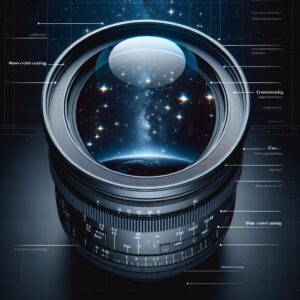
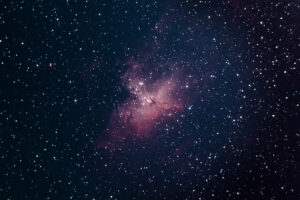
When you gaze up at the night sky, what do you see? Stars, planets, and galaxies all waiting to be explored. But to truly unlock the mysteries of the cosmos, you need the right equipment. Enter the Starlight Xpress Trius SX-42 Monochrome Camera, a tool designed for the modern astrophotographer. Whether you’re a seasoned veteran or a beginner eager to capture the universe, this camera could be your guiding star.
Key Takeaways
- The Trius SX-42 camera boasts a 6MP Sony ExView 694 monochrome sensor, ideal for detailed astrophotography.
- Advanced cooling technology minimizes noise, ensuring crisp, clear celestial images.
- Compatibility with a wide range of telescopes and accessories makes the Trius SX-42 versatile for various astrophotography needs.
- User experiences suggest the Trius SX-42 is a reliable choice for both beginners and advanced astronomers.
- When compared to other astrophotography cameras, the Trius SX-42 stands out for its image quality and build.
Peering into the Cosmos: The Power of Monochrome Imaging
Why monochrome, you might wonder? Color cameras might seem like the obvious choice for capturing the vibrant hues of nebulae and galaxies. However, monochrome cameras have a secret weapon: they’re incredibly sensitive to light. This makes them perfect for astrophotography, where capturing faint light from distant stars is the game’s name.
Most importantly, monochrome cameras allow for the use of specialized filters to isolate certain wavelengths of light. This can bring out the fine details in astronomical objects that would otherwise be lost in a color image. Think of it as having the ability to tune into different ‘channels’ of the universe, each revealing unique secrets.
And because the Trius SX-42 uses a monochrome sensor, you’re starting with a blank canvas, ready to paint with the colors of the cosmos through your choice of filters and processing techniques.
The Monochrome Advantage in Capturing Celestial Details
Let’s break down the advantages of a monochrome sensor:
- Higher Resolution: Without the need for a color filter array, each pixel captures pure luminance data, resulting in sharper images.
- Greater Sensitivity: More photons hit the sensor without the obstruction of color filters, making it easier to detect faint objects.
- Flexible Imaging: You can choose which wavelengths to capture and emphasize, tailoring your setup to the target you’re imaging.
Why the Trius SX-42 is Your Window to the Universe
The Trius SX-42 isn’t just a camera; it’s a bridge to the stars. With its high-quality sensor and advanced features, it captures the night sky with clarity and detail that few other cameras can match. It’s like having a personal observatory that fits in the palm of your hand.
The Heart of the System: Inside the Trius SX-42
The Sony ExView 694 sensor is the heart of the Trius SX-42. This sensor is a workhorse, renowned for its low noise and high sensitivity, which are crucial for long-exposure astrophotography. With 4.54uM pixels, it strikes a balance between resolution and sensitivity, making it versatile for different types of celestial objects.
But what really sets the Trius SX-42 apart is its cooling system. Long exposure times can lead to noisy images due to the sensor heating up. The Trius SX-42 combats this with a regulated two-stage cooling system, which can cool the sensor to 40 degrees below ambient temperature, dramatically reducing thermal noise.
“The regulated cooling system of the Trius SX-42 ensures that even on warm nights, images come out with minimal noise, letting the true beauty of the cosmos shine through.”
Sensor Specifications and Astro-Imaging Benefits
Let’s dive into the specifications of the Trius SX-42’s sensor:
- Pixel Count: 6 million pixels provide high-resolution images.
- Pixel Size: 4.54uM pixels offer an optimal balance for various telescope configurations.
- Quantum Efficiency: A peak of 77% QE means more of the light that hits the sensor is converted into image data.
- Full Well Capacity: Large full well capacity ensures a wide dynamic range to capture detail in both bright and dark areas of an image.
These specs translate into tangible benefits when you’re out under the stars. You’ll be able to capture deep-sky objects with stunning clarity, resolve fine details on planets, and much more. And with the right processing, you can bring out colors and details that rival those captured by observatories.
Stay tuned for the next installment, where we’ll delve into setting up the Trius SX-42 for success and how to make the most of your astrophotography sessions.
Setting Up for Stellar Success
Once you’ve got your hands on a Trius SX-42, the next step is setting it up for a night of capturing the cosmos. The setup process is crucial, as it can make or break the quality of your astrophotographs. Let’s get into the nuts and bolts of configuring your camera for deep-sky marvels.
Optimal Configuration for Deep Sky Imaging
First, ensure your telescope is properly aligned and your mount is accurately tracking. This is foundational because, for deep-sky imaging, you’ll be dealing with very long exposures. Any misalignment can lead to star trails or blurry images. Next, attach the Trius SX-42 to your telescope using a suitable T-adapter or nosepiece, making sure the connection is secure but not overly tight.
Now, focus is key. Achieving sharp focus with a monochrome camera can be trickier than with a color camera because you can’t rely on visual cues from different colors. Use a Bahtinov mask or an electronic focuser to fine-tune the focus until the stars appear as small points of light.
Finally, balance your setup. An unbalanced telescope can strain the mount’s motors and lead to tracking errors. Adjust the counterweights and the position of the telescope in its rings until everything is perfectly balanced.
Enhancing Your Setup with the Right Accessories
Accessories can elevate your astrophotography game. Here are a few that pair well with the Trius SX-42:
- Filter Wheel: Essential for monochrome imaging, allowing you to switch between luminance, red, green, blue, and narrowband filters without hassle.
- Autoguider: Improves tracking accuracy during long exposures, ensuring sharp images.
- Electronic Focuser: Provides precise control over focus, which is especially important when temperature changes throughout the night can affect focus.
With these accessories in place, you’re ready to capture the night sky with precision and detail.
Comparing the Celestial Contenders
How does the Trius SX-42 stack up against other astrophotography cameras? Let’s compare.
Trius SX-42 vs. Other Astrophotography Cameras
The Trius SX-42 is not alone in the market; there are other contenders. However, it stands out with its exceptional cooling system, high quantum efficiency, and its Sony ExView 694 sensor. While other cameras might offer similar pixel counts or sensor sizes, the Trius SX-42’s performance in low-light conditions and its build quality often give it an edge.
For example, compared to a camera with a CMOS sensor, the Trius SX-42’s CCD sensor is generally more sensitive and has less read noise, which is particularly important for astrophotography where capturing faint light is essential.
Key Features that Set the Trius SX-42 Apart
The Trius SX-42 is not just another camera; it’s a gateway to galactic exploration. Here’s why:
- Superior Cooling: Its two-stage cooling system is a standout feature that significantly reduces noise.
- High Sensitivity: With a peak quantum efficiency of 77%, it excels at capturing faint details.
- Build Quality: Robust construction ensures the camera can endure the rigors of night-time fieldwork.
These features make the Trius SX-42 a compelling choice for astrophotographers who demand the best from their equipment.
Real Sky Testimonials
But don’t just take my word for it. Let’s look at what real users have to say about their experiences with the Trius SX-42.
User Experiences and Shared Night-Sky Conquerors
From online forums to astronomy clubs, the consensus among astrophotographers is clear: the Trius SX-42 delivers. One user reported capturing stunning images of the Orion Nebula with details that had previously eluded them. Another praised the camera’s performance during a particularly warm summer, where the cooling system kept noise to a minimum, allowing them to image faint galaxies.
Galleries and Success Stories: The Proof is in the Pictures
The true test of any astrophotography camera is in the images it produces. Galleries online are brimming with photographs taken with the Trius SX-42, showcasing everything from the delicate wisps of nebulae to the spiral arms of distant galaxies. Each image is a testament to the camera’s ability to bring the universe a little closer to home.
“The Trius SX-42 has opened up a new world for me. The level of detail I can now capture in my astrophotographs is simply astounding.” – An astrophotographer’s online review.
Armed with the Trius SX-42, the only limit is the night sky itself. So get out there, set up your gear, and let the universe show you its wonders.
FAQs
What Makes a Monochrome Camera Better for Astrophotography?
Monochrome cameras shine in astrophotography due to their ability to capture images with higher resolution and greater sensitivity to light compared to their color counterparts. They don’t have a Bayer filter, which means each pixel captures pure light intensity, leading to more detailed images. Additionally, they allow for the use of narrowband filters to isolate specific wavelengths of light, enhancing the contrast and details in celestial objects.
Can the Trius SX-42 be Used by Beginners?
Absolutely! The Trius SX-42 is user-friendly and comes with a suite of features that support both newcomers and seasoned astronomers. While there is a learning curve to mastering astrophotography, the Trius SX-42’s straightforward setup and robust construction make it a great choice for those just starting out. Plus, there’s a supportive community and ample resources available to help beginners get the most out of their camera.
Beginners will appreciate the camera’s regulated cooling system, which mitigates noise without the need for complex calibration. Additionally, the Trius SX-42’s compatibility with a wide range of telescopes and accessories means it can grow with the astronomer’s skills and ambitions.
For those new to the field, starting with a monochrome camera like the Trius SX-42 encourages a deeper understanding of astrophotography techniques, such as filter use and image processing, which are valuable skills as one progresses in the hobby.
What Accessories are Essential for Using the Trius SX-42?
To get the most out of the Trius SX-42, certain accessories are recommended:
- A sturdy mount capable of precise tracking for long-exposure imaging.
- A high-quality telescope that matches the camera’s sensor size and resolution.
- A filter wheel with a selection of filters for luminance, RGB, and narrowband imaging.
- An autoguider to ensure accurate tracking during long exposures.
- Software for camera control, image acquisition, and post-processing.
These accessories will enhance your astrophotography experience, helping you capture the best possible images of the night sky.
How Does the Cooling System in the Trius SX-42 Improve Image Quality?
The cooling system in the Trius SX-42 is a game-changer for image quality. By reducing the sensor’s temperature significantly below the ambient, it minimizes the electronic noise that can obscure faint details. This is particularly important during long exposures, where thermal noise can accumulate and degrade the image. The result is clearer, more detailed photos of the night sky, revealing the subtle beauty of distant celestial objects.
Moreover, the cooling system’s consistency ensures that images taken throughout the night maintain a uniform noise profile, which is essential for stacking multiple exposures in post-processing. This consistency allows for smoother, more natural-looking final images.
Where Can I Find a Community of Trius SX-42 Users?
Communities of Trius SX-42 users can be found across various platforms, including online forums, social media groups, and astronomy clubs. Websites like Cloudy Nights and AstroBin are great places to start, offering forums where users share tips, troubleshooting advice, and their astrophotography achievements. Social media platforms like Facebook and Instagram also host groups and hashtags where enthusiasts gather to discuss their experiences with the Trius SX-42.
Local astronomy clubs can be invaluable resources, as they often have members who are experienced with the Trius SX-42 and can offer hands-on advice and support. Additionally, attending star parties and astrophotography workshops can connect you with a community of like-minded individuals who share your passion for capturing the cosmos.
For those interested in high-quality astrophotography, the Starlight Xpress Trius SX-42 Monochrome Camera is an excellent choice. It boasts advanced features and superior sensitivity to capture stunning celestial images.