Key Takeaways
-
The Canon EOS Rebel T7i is highly recommended for beginners in astrophotography due to its user-friendly interface and versatile features.
-
Key features include a 24.2 MP APS-C CMOS sensor, high ISO range of 100-25600, and a 45-point all cross-type autofocus system.
-
The articulating touchscreen and built-in Wi-Fi make it easy to capture and share stunning night sky images.
-
Compared to other cameras in its range, the T7i offers excellent image quality and performance for its price.
-
Proper setup and post-processing can significantly enhance the quality of astrophotography images taken with the T7i.
Best Canon EOS Rebel T7i DSLR Camera for Astrophotography & Reviews
Why Choose the Canon EOS Rebel T7i for Astrophotography?
Astrophotography is a captivating hobby that allows you to capture the beauty of the night sky. Whether you are a beginner or an experienced photographer, the Canon EOS Rebel T7i offers a range of features that make it an excellent choice for this specialized form of photography. One of the standout aspects of the T7i is its user-friendly interface, which is particularly beneficial for those who are new to astrophotography.
Most importantly, the T7i is equipped with a 24.2 MP APS-C CMOS sensor that delivers high-quality images with exceptional detail. This is crucial for capturing the intricate details of celestial objects such as stars, planets, and nebulae. Besides that, the camera’s high ISO range of 100-25600 allows you to take clear photos even in low-light conditions, which is essential for night sky photography.
Features that Make Canon EOS Rebel T7i Ideal for Night Sky Photography
Several features of the Canon EOS Rebel T7i make it particularly well-suited for astrophotography. These include its powerful autofocus system, versatile lens options, and ease of use. Let’s delve into each of these features in more detail.
Why Astrophotographers Love the Canon EOS Rebel T7i
Ease of Use for Beginners
The Canon EOS Rebel T7i is designed with beginners in mind. Its intuitive interface and guided menu system make it easy to navigate, even if you are new to DSLR cameras. The camera also offers various automatic settings that can help you get started with astrophotography without needing to understand all the technical details right away.
Moreover, the T7i’s lightweight and compact design make it easy to handle and transport, which is a significant advantage when you need to move your equipment to different locations for the best night sky views.
Flexibility with Lens Options
One of the great things about the Canon EOS Rebel T7i is its compatibility with a wide range of lenses. This flexibility allows you to experiment with different types of astrophotography, from wide-angle shots of the Milky Way to close-up images of the moon and planets. The Canon EF-S 18-55mm f/4-5.6 IS STM lens is a good starting point for beginners, but as you gain more experience, you can invest in specialized lenses like the Canon EF 70-200mm f/4L USM for more advanced astrophotography.
Superior Image Quality
The T7i’s 24.2 MP APS-C CMOS sensor and DIGIC 7 image processor work together to produce high-quality images with excellent detail and low noise. This is particularly important for astrophotography, where capturing the subtle details of celestial objects is key. Additionally, the camera’s high ISO range and noise reduction capabilities help to ensure that your night sky images are clear and sharp, even in low-light conditions.
Key Features of Canon EOS Rebel T7i for Astrophotography
To truly appreciate why the Canon EOS Rebel T7i is a top choice for astrophotography, let’s take a closer look at some of its key features.
APS-C CMOS Sensor
The APS-C CMOS sensor in the Canon EOS Rebel T7i is one of its standout features. With a resolution of 24.2 megapixels, this sensor captures detailed and high-quality images, which is essential for astrophotography. The larger sensor size compared to a smartphone or point-and-shoot camera allows for better light-gathering capabilities, resulting in clearer and more detailed night sky images.
High ISO Range (100-25600)
The high ISO range of the T7i is another critical feature for astrophotography. With an ISO range of 100-25600, the camera can capture clear images even in low-light conditions. This is particularly important when photographing the night sky, as you need a camera that can handle the low light levels without producing too much noise.
Articulating Touchscreen
The T7i’s articulating touchscreen is a game-changer for astrophotographers. This feature allows you to easily adjust the angle of the screen, making it more convenient to frame your shots when the camera is positioned at awkward angles. Additionally, the touchscreen interface makes it easy to navigate the camera’s settings and make adjustments on the fly. For more tips on capturing stunning night skies, check out this guide to night landscape photography techniques.
Articulating Touchscreen
The T7i’s articulating touchscreen is a game-changer for astrophotographers. This feature allows you to easily adjust the angle of the screen, making it more convenient to frame your shots when the camera is positioned at awkward angles. Additionally, the touchscreen interface makes it easy to navigate the camera’s settings and make adjustments on the fly. Whether you’re lying on the ground capturing the Milky Way or setting up on a tripod for a long exposure, the articulating screen ensures you always have a clear view.
45-Point All Cross-Type AF System
Another standout feature of the Canon EOS Rebel T7i is its 45-point all cross-type autofocus (AF) system. This advanced AF system ensures fast and accurate focusing, which is crucial when capturing moving celestial objects like meteors or satellites. The cross-type points provide greater accuracy and reliability, especially in low-light conditions. This means you can spend less time worrying about focus and more time enjoying the night sky.
Detailed Reviews from Astrophotography Enthusiasts
The Canon EOS Rebel T7i has received glowing reviews from both amateur and professional astrophotographers. Many users praise its ease of use, image quality, and versatile features. Let’s take a closer look at what some of these enthusiasts have to say.
User Testimonials
Many users appreciate the T7i for its beginner-friendly features and impressive performance. One user shared, “I was new to astrophotography and the T7i made it so easy to get started. The guided menu system helped me understand the settings, and the image quality is fantastic. I captured my first clear shot of the Milky Way with this camera!”
Another user highlighted the camera’s versatility, saying, “The T7i is great for both daytime photography and astrophotography. I love how I can switch lenses and settings to capture different types of shots. The articulating screen is also a huge plus when I’m setting up my tripod in tricky positions.”
Expert Reviews
Experts in the field of astrophotography also have high praise for the Canon EOS Rebel T7i. According to a review from PCMag, “Canon’s EOS Rebel T7i DSLR offers an improved autofocus system in both standard and Live View modes, giving owners of older Rebels a compelling reason to upgrade.” The review goes on to commend the camera’s 24MP APS-C image sensor and 6fps burst shooting capabilities, which are particularly useful for capturing fast-moving celestial events.
Real-World Image Samples
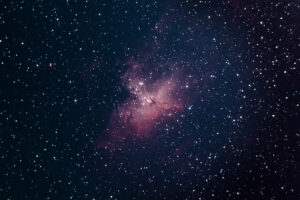
Seeing is believing, and the real-world image samples taken with the Canon EOS Rebel T7i speak volumes about its capabilities. Many photographers have shared stunning images of the night sky, showcasing the camera’s ability to capture the intricate details of stars, planets, and nebulae. These images highlight the T7i’s impressive dynamic range and low-light performance, making it a top choice for astrophotography enthusiasts.
Comparing Canon EOS Rebel T7i with Other Astrophotography DSLRs
When choosing a camera for astrophotography, it’s essential to consider how it stacks up against other options on the market. Let’s compare the Canon EOS Rebel T7i with some of its competitors to see how it measures up. For more insights, check out this guide on DSLR cameras for astrophotography.
Canon EOS Rebel T7i vs Nikon D5600
Both the Canon EOS Rebel T7i and the Nikon D5600 are popular choices for beginner astrophotographers. The T7i offers a 24.2 MP APS-C CMOS sensor, while the D5600 features a 24.2 MP DX-format CMOS sensor. Both cameras have similar image quality, but the T7i’s 45-point all cross-type AF system gives it an edge in focusing accuracy. Additionally, the T7i’s articulating touchscreen and user-friendly interface make it more accessible for beginners.
Canon EOS Rebel T7i vs Sony Alpha 6000
The Sony Alpha 6000 is another strong contender in the entry-level astrophotography market. It features a 24.3 MP APS-C sensor and a fast hybrid autofocus system. While the Alpha 6000 is known for its compact size and speed, the T7i’s articulating touchscreen and superior low-light performance make it a better choice for astrophotography. The T7i also offers more lens options, providing greater flexibility for different types of night sky photography.
Canon EOS Rebel T7i vs Canon EOS 90D
The Canon EOS 90D is a more advanced option compared to the T7i, featuring a 32.5 MP APS-C sensor and 4K video capabilities. While the 90D offers higher resolution and more advanced features, it comes at a higher price point. For beginners or those on a budget, the T7i provides excellent image quality and performance at a more affordable price. The T7i’s user-friendly interface and versatile features make it a great starting point for aspiring astrophotographers.
-
The T7i’s 45-point all cross-type AF system offers greater accuracy compared to the D5600’s 39-point AF system.
-
The T7i’s articulating touchscreen provides more flexibility than the fixed screen on the Alpha 6000.
-
While the 90D offers higher resolution, the T7i provides similar image quality at a more affordable price.
Setting Up Your Canon EOS Rebel T7i for Astrophotography
To get the best results from your Canon EOS Rebel T7i, it’s essential to set it up correctly for astrophotography. Here are some tips to help you get started.
Essential Camera Settings
Adjusting your camera settings is crucial for capturing clear and detailed images of the night sky. Here are some essential settings to consider:
-
ISO: Start with an ISO setting of 1600 to 3200. This will allow your camera to capture more light without introducing too much noise.
-
Aperture: Use the widest aperture your lens allows (e.g., f/2.8 or f/4). This will let in the most light and help you capture more detail.
-
Shutter Speed: Set your shutter speed to 20-30 seconds. Longer exposures will capture more light, but be careful not to go too long, or you’ll get star trails.
-
Focus: Switch to manual focus and set your lens to infinity. Use the live view mode to fine-tune the focus on a bright star or distant light.
-
White Balance: Set your white balance to daylight or a custom setting to match the natural colors of the night sky.
To get the best results from your Canon EOS Rebel T7i, it’s essential to set it up correctly for astrophotography. Here are some tips to help you get started.
Choosing the Right Lens
The lens you choose can have a significant impact on the quality of your astrophotography images. While the Canon EF-S 18-55mm f/4-5.6 IS STM lens is a good starting point, consider investing in a lens with a wider aperture and better low-light performance. Some popular choices include:
For more detailed guidance, check out this astrophotography tips page.
-
Canon EF 50mm f/1.8 STM: This lens offers a wide aperture and excellent low-light performance, making it ideal for capturing detailed images of the night sky.
-
Rokinon 14mm f/2.8: A great option for wide-angle shots of the Milky Way, this lens provides a wide field of view and good low-light capabilities.
-
Canon EF 70-200mm f/4L USM: For more advanced astrophotography, this lens allows you to capture close-up images of the moon and planets with stunning detail.
Mounting and Stabilization Tips
Stabilizing your camera is crucial for capturing clear and sharp images of the night sky. Here are some tips to help you achieve the best results:
-
Use a sturdy tripod: A stable tripod is essential for long exposure shots. Make sure your tripod is on a solid surface and is not affected by wind or vibrations.
-
Use a remote shutter release: To avoid camera shake, use a remote shutter release or the camera’s built-in timer to take your shots.
-
Enable mirror lock-up: If your camera has a mirror lock-up feature, use it to reduce vibrations caused by the mirror movement.
-
Weigh down your tripod: If it’s windy, consider adding weight to your tripod by hanging a bag of rocks or sand from the center column.
Maximizing Your Canon EOS Rebel T7i for Astrophotography
Once you have your camera set up, there are several ways to maximize its potential for astrophotography. Here are some tips to help you get the most out of your Canon EOS Rebel T7i.
Post-Processing Tips and Tools
Post-processing is an essential part of astrophotography. It allows you to enhance the details and colors in your images, making them truly stand out. Here are some tips for post-processing your astrophotography images: For more advanced techniques, check out our guide on deep sky imaging.
-
Use software like Adobe Lightroom or Photoshop: These programs offer powerful tools for adjusting exposure, contrast, and color balance.
-
Stack multiple images: Use software like DeepSkyStacker to stack multiple exposures, reducing noise and enhancing detail.
-
Adjust levels and curves: Fine-tune the brightness and contrast of your images using the levels and curves tools in your editing software.
-
Remove light pollution: Use gradient removal tools to reduce the impact of light pollution and bring out the natural colors of the night sky.
Using External Accessories
External accessories can greatly enhance your astrophotography experience. Here are some accessories to consider for your Canon EOS Rebel T7i:
-
Intervalometer: An intervalometer allows you to take a series of long exposures automatically, which is useful for time-lapse photography and stacking images.
-
Star tracker: A star tracker mounts to your tripod and follows the movement of the stars, allowing for longer exposures without star trails.
-
Portable power bank: A portable power bank ensures that your camera has enough power for extended shooting sessions.
-
Lens heater: A lens heater prevents dew from forming on your lens, keeping your images clear and sharp.
Improving Your Astrophotography Skills
Astrophotography is a skill that takes time and practice to master. Here are some tips to help you improve your astrophotography skills:
-
Practice regularly: The more you practice, the better you’ll become at capturing stunning night sky images.
-
Join a community: Join online forums or local astronomy clubs to connect with other astrophotographers and learn from their experiences.
-
Attend workshops: Look for workshops or classes on astrophotography to learn new techniques and improve your skills.
-
Experiment with different settings: Don’t be afraid to try different settings and techniques to see what works best for you.
Frequently Asked Questions (FAQ)
What makes the Canon EOS Rebel T7i good for astrophotography?
The Canon EOS Rebel T7i is an excellent choice for astrophotography due to its 24.2 MP APS-C CMOS sensor, high ISO range, and 45-point all cross-type autofocus system. These features allow for high-quality, detailed images even in low-light conditions. Additionally, its user-friendly interface and articulating touchscreen make it accessible for beginners.
Can beginners use the Canon EOS Rebel T7i for night sky photography?
Absolutely! The Canon EOS Rebel T7i is designed with beginners in mind. Its guided menu system and automatic settings make it easy to get started with astrophotography without needing to understand all the technical details right away. The camera’s lightweight and compact design also make it easy to handle and transport.
What accessories can improve astrophotography with the Canon EOS Rebel T7i?
-
Intervalometer
-
Star tracker
-
Portable power bank
-
Lens heater
These accessories can help you take longer exposures, keep your camera powered, and prevent dew from forming on your lens, all of which can significantly improve your astrophotography results.
How does the Canon EOS Rebel T7i compare to other cameras in its range?
The Canon EOS Rebel T7i compares favorably to other cameras in its range. Compared to the Nikon D5600, the T7i offers a more advanced autofocus system and a more user-friendly interface. When compared to the Sony Alpha 6000, the T7i’s articulating touchscreen and superior low-light performance make it a better choice for astrophotography. While the Canon EOS 90D offers higher resolution, the T7i provides similar image quality at a more affordable price, making it an excellent option for beginners.
What are the best settings for astrophotography on the Canon EOS Rebel T7i?
Here are some recommended settings for astrophotography on the Canon EOS Rebel T7i: For more detailed tips, check out our guide on astrophotography techniques.
-
ISO: 1600 to 3200
-
Aperture: Widest aperture your lens allows (e.g., f/2.8 or f/4)
-
Shutter Speed: 20-30 seconds
-
Focus: Manual focus set to infinity
-
White Balance: Daylight or custom setting
These settings will help you capture clear and detailed images of the night sky, allowing you to take stunning astrophotography shots with your Canon EOS Rebel T7i.