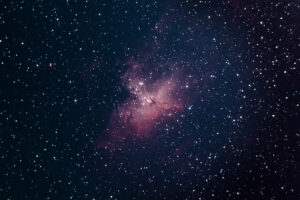
Here is a curated list of 100 current mirrorless cameras that are well‑suited or commonly recommended for astrophotography, grouped by brand and sorted roughly from higher‑end to more budget‑friendly within each brand.
Sony
These Sony bodies are widely praised for low noise, strong high‑ISO performance, and good lens support for night work.
- Sony A7S III
- Sony A7S II
- Sony A7 IV
- Sony A7 III
- Sony A7C II
- Sony A7C
- Sony A7R V
- Sony A7R IV
- Sony A7R III
- Sony A9 III
- Sony A9 II
- Sony A9
- Sony A1
- Sony A7R II
- Sony A7 II
- Sony FX3 (shares sensor with A7S III, popular for astro‑video)
- Sony FX30
- Sony A6700
- Sony A6600
- Sony A6400
Canon RF / EF‑M mirrorless
Canon’s RF full‑frame line (plus the dedicated EOS Ra) is very popular for Milky Way and deep‑sky work thanks to good high‑ISO handling and lens options.
- Canon EOS Ra (astro‑optimized)
- Canon EOS R6 Mark II
- Canon EOS R6
- Canon EOS R8
- Canon EOS R5
- Canon EOS R5 Mark
- Canon EOS R3
- Canon EOS R
- Canon EOS RP
- Canon EOS R7
- Canon EOS R10
- Canon EOS R50
- Canon EOS R100
- Canon EOS M6 Mark II
- Canon EOS M50 Mark II
- Canon EOS M50
- Canon EOS M200
- Canon EOS M100
- Canon EOS M5
- Canon EOS M3
Nikon Z
Nikon’s Z‑series full‑frame bodies, especially the mid‑resolution models, are frequent recommendations in recent astro buying guides.
- Nikon Z8
- Nikon Z9
- Nikon Z7 II
- Nikon Z7
- Nikon Z6 II
- Nikon Z6
- Nikon Z5
- Nikon Zf
- Nikon Zfc
- Nikon Z50
- Nikon Z30
Fujifilm X
Fujifilm’s APS‑C X‑series bodies are attractive for lighter travel astro setups and are often highlighted for night landscapes.
- Fujifilm X‑T5
- Fujifilm X‑T4
- Fujifilm X‑T3
- Fujifilm X‑S20
- Fujifilm X‑S10
- Fujifilm X‑H2S
- Fujifilm X‑H2
- Fujifilm X‑T30 II
- Fujifilm X‑T30
- Fujifilm X‑E4
Panasonic full frame (L‑mount)
Panasonic’s S‑series full‑frame bodies offer good astro value, with strong low‑light performance and in‑body stabilization.
- Panasonic Lumix S5 II X
- Panasonic Lumix S5 II
- Panasonic Lumix S5
- Panasonic Lumix S1H
- Panasonic Lumix S1R
- Panasonic Lumix S1
- Panasonic Lumix BS1H
- Panasonic Lumix S9
Panasonic / OM System Micro Four Thirds
Micro Four Thirds mirrorless cameras are commonly used for wide‑field and tracked astro thanks to compact size and good ecosystem support.
- Panasonic Lumix G9
- Panasonic Lumix G9
- Panasonic Lumix GH6
- Panasonic Lumix GH5 II
- Panasonic Lumix GH5
- Panasonic Lumix G95 / G90
- Panasonic Lumix G85 / G80
- OM System OM‑1 Mark II
- OM System OM‑1
- Olympus OM‑D E‑M1X
Other mirrorless bodies often used for astro
These additional mirrorless models appear regularly in astrophotography recommendation lists, user threads, or specialist modification services.
- Sony A7 (original)
- Sony A7R (original)
- Sony A7R IIIA (refresh)
- Sony A7C R
- Canon EOS R6 C (cine‑oriented variant used for astro‑video)
- Canon EOS RP (frequently modded for astro)
- Nikon Z6 (astro‑modified versions commonly offered)
- Nikon Zfc (used as lightweight astro body)
- Fujifilm X‑Pro3 (same sensor family as X‑T3, used for astro by some shooters)
- OM‑D E‑M1 Mark III (often cited as a strong MFT option for night work)
How to choose among them
When narrowing this list, prioritize:
- Sensor size and performance (full frame tends to give cleaner high‑ISO astro images).
- Good high‑ISO noise handling and dynamic range (check independent astro tests).
- Lens ecosystem for fast wide‑angle primes (for Milky Way) and telephotos (for nebulae/galaxies).
If you share your budget, lens preferences, and whether you shoot tracked deep‑sky or mainly wide‑field Milky Way, a shorter tailored subset (5–10 best fits) can be suggested from this list.